
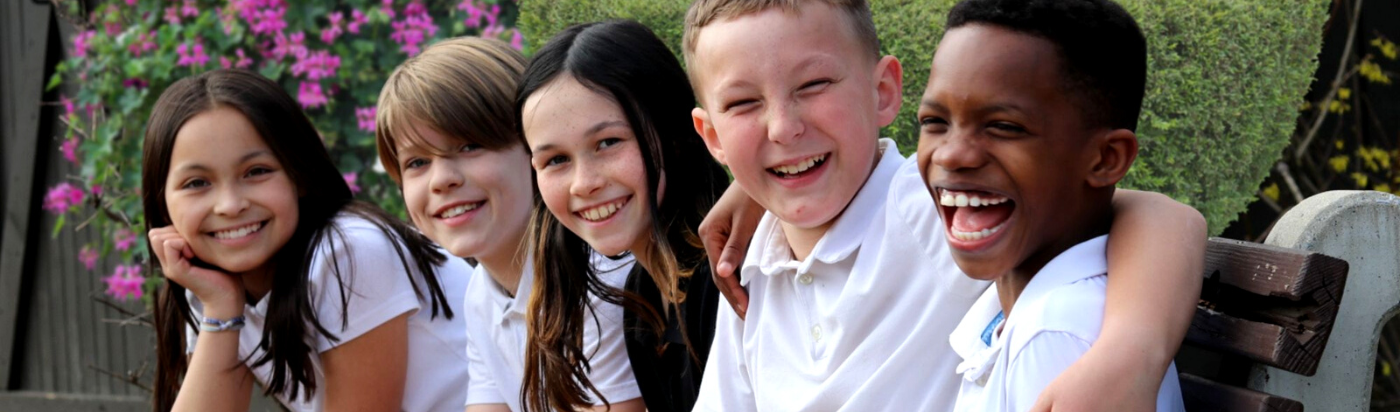
Learning Beyond the Classroom: The Power of Extracurriculars in our Lower School

Recently, I had the great joy of stepping back and watching as fourth and fifth-grade students respectfully shared their opinions, presented their research, and confidently addressed a packed room of peers and adults. It was the final session of Debate Club, and I couldn’t have been more proud of how much these courageous kids had grown over the past several weeks.
At Christian Heritage School, we believe that true education reaches beyond the classroom. Our goal is to nurture the whole child: academically, socially, spiritually, and emotionally. One of the most meaningful ways we do this is by giving students opportunities to learn in new environments, explore their interests, and grow through hands-on experiences. This begins with the “specials” woven into each school day and continues through a rich offering of extracurricular activities designed especially for our lower-school students.

Research has long shown that learning outside the classroom strengthens children’s social skills, emotional well-being, confidence, and creativity. This philosophy shapes our extracurricular programs. Students can choose from a growing menu of opportunities that allow them to explore new hobbies, strengthen existing passions, and develop character in a supportive, Christ-centered community. Taekwondo encourages discipline, respect, and focus. Strategic Games Club for grades K–2 fosters critical thinking and patience through games that challenge the mind. Our Science Club for grades 3–5 gives young explorers a chance to experiment, question, and discover the wonder of creation, and the Bee-Bots Coding Club introduces K–2 students to sequencing and problem-solving through playful robotics.

This year, we’re excited to introduce even more programs. Math Olympiad invites fourth and fifth-grade students into a nationally recognized problem-solving community where they can stretch their reasoning skills and learn to approach challenges with perseverance. The Spelling Bee offers students the chance to expand their vocabulary, strengthen their memory, and build confidence speaking in front of others. Our new Debate Club for 4th- and 5th-grade students teaches students how to listen carefully, articulate their ideas thoughtfully, and engage in respectful dialogue. And coming soon, our Baking and Books Club for K–1st graders will blend creativity in the kitchen with the joy of stories — nurturing both imagination and emerging literacy.

Whether students are building robots, solving math puzzles, stepping onto a debate stage, or discovering the beauty of music and art, we want to create a space for every student to steward their God-given gifts or challenge themselves by trying something new, growing in confidence and character in ways that will stay with them for life.

Beth Maree is our Lower School Principal. She received a Bachelors of Education at the University of Pretoria in South Africa and majored in English, History and Special Education. Beth began her career teaching 4th Grade and then discovered her love for teenagers when she transitioned to a High School English teacher. She is also experienced in school leadership, leading an English Department, overseeing Student Academic Services, and finally serving on the Senior Leadership Team of a busy, all-girls school in South Africa. Beth is now our Lower School Principal at Christian Heritage School and loves every minute of it!
Update on Our Mods Program: Students Are Absolutely Loving it!
This past winter, on a particularly slushy morning where the start of school was just postponed, I received a text from a faculty member who had just broken the joyous news to her children that CHS was going to have a late start day. The response from one of the students warmed my heart on that classic Connecticut winter morning- “WHAT? NO! ARE MODS CANCELED?”
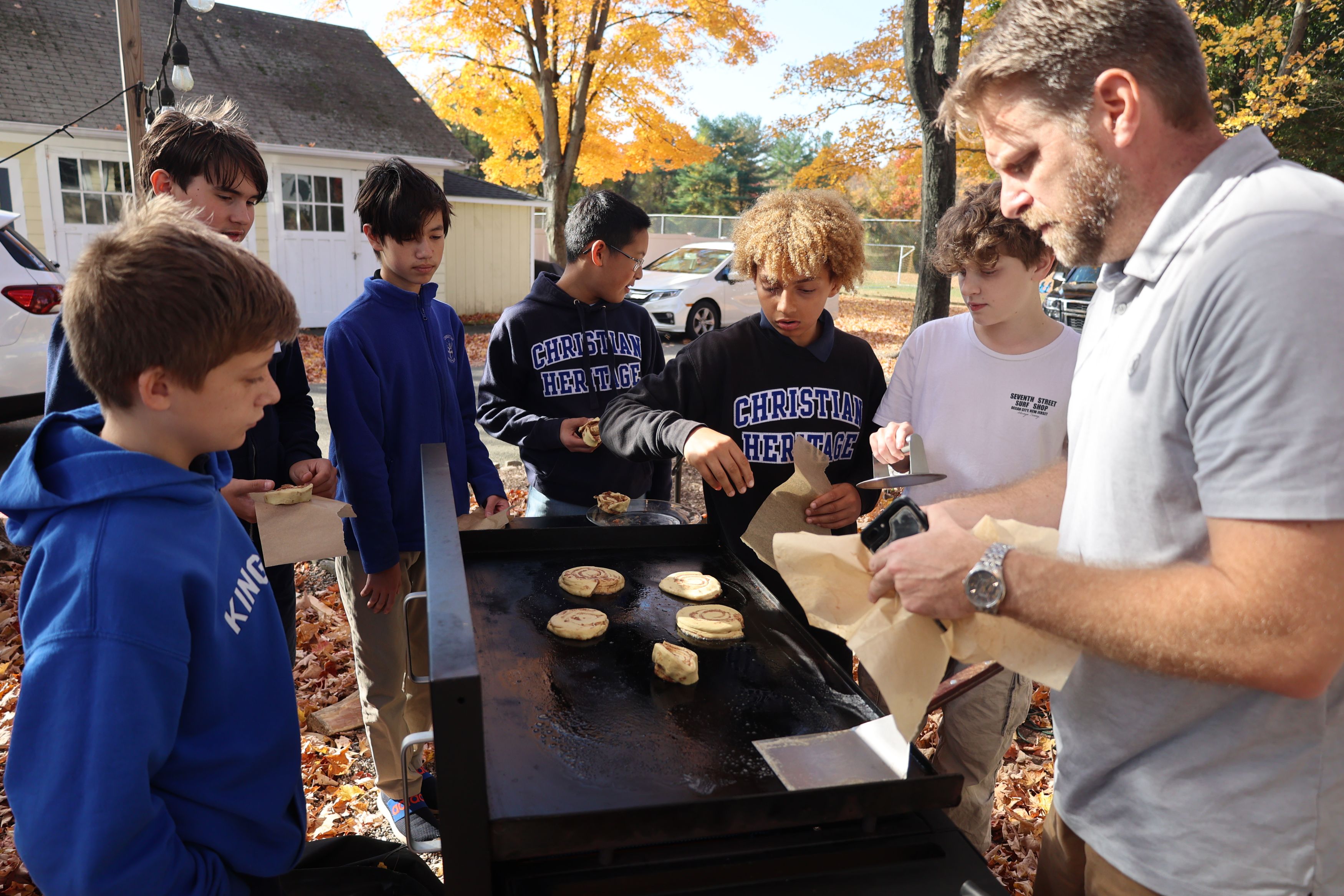
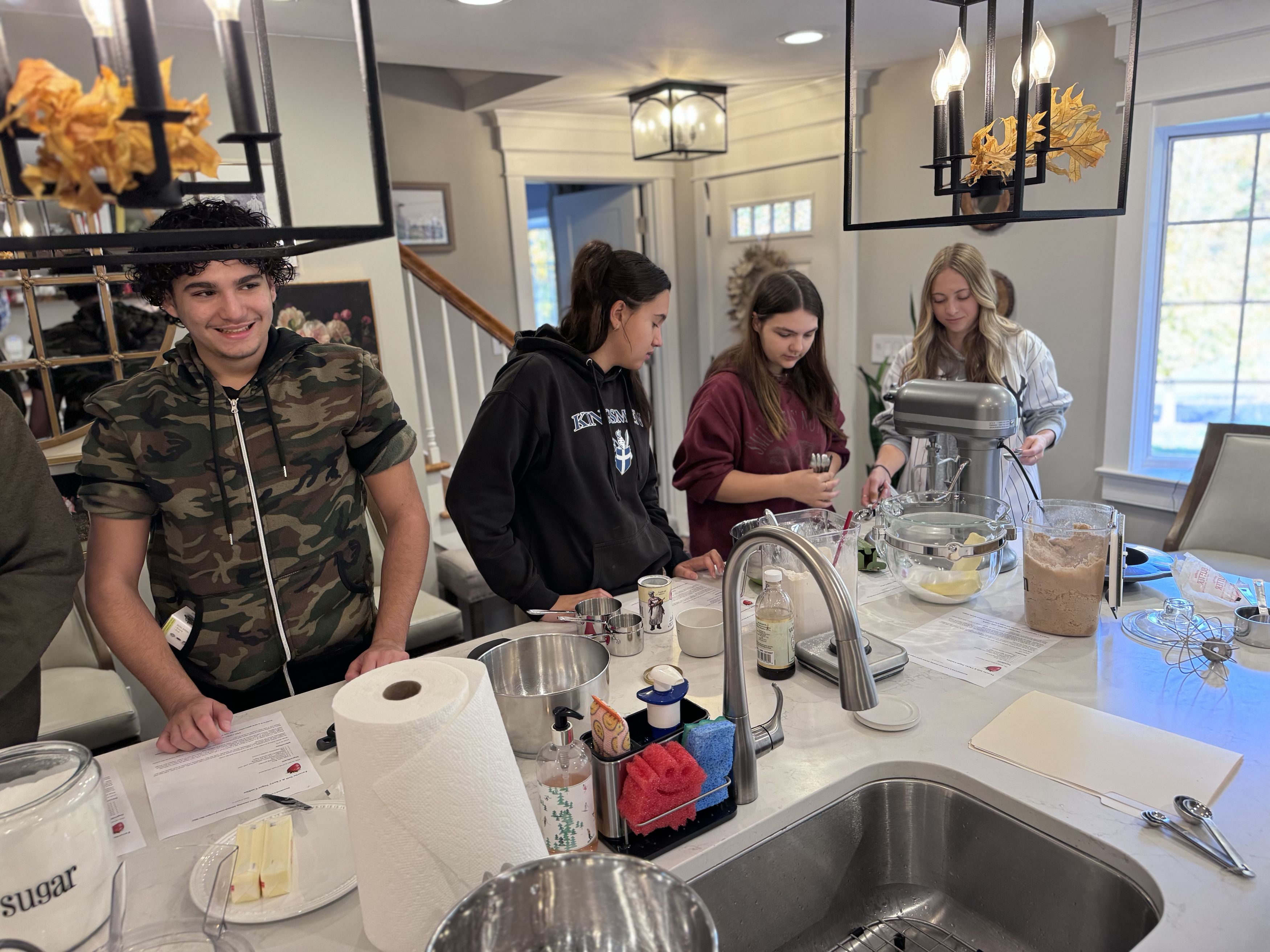
This fall, we launched our Mods program. In an earlier blog post, I described the various learning modalities (mods) that go into teaching well-rounded students. We don’t learn things in the best way for us, we learn things in the best way they should be taught. Imagine only watching cooking videos and never getting your hands dirty with egg yolk and flour. Visualize reading about your favorite sport instead of playing it. Have you ever had someone explain a movie scene only to say, “You know what, you should just watch it.” Our brain works in various ways, and the best way to learn about one topic might not be the best way to learn about other topics.
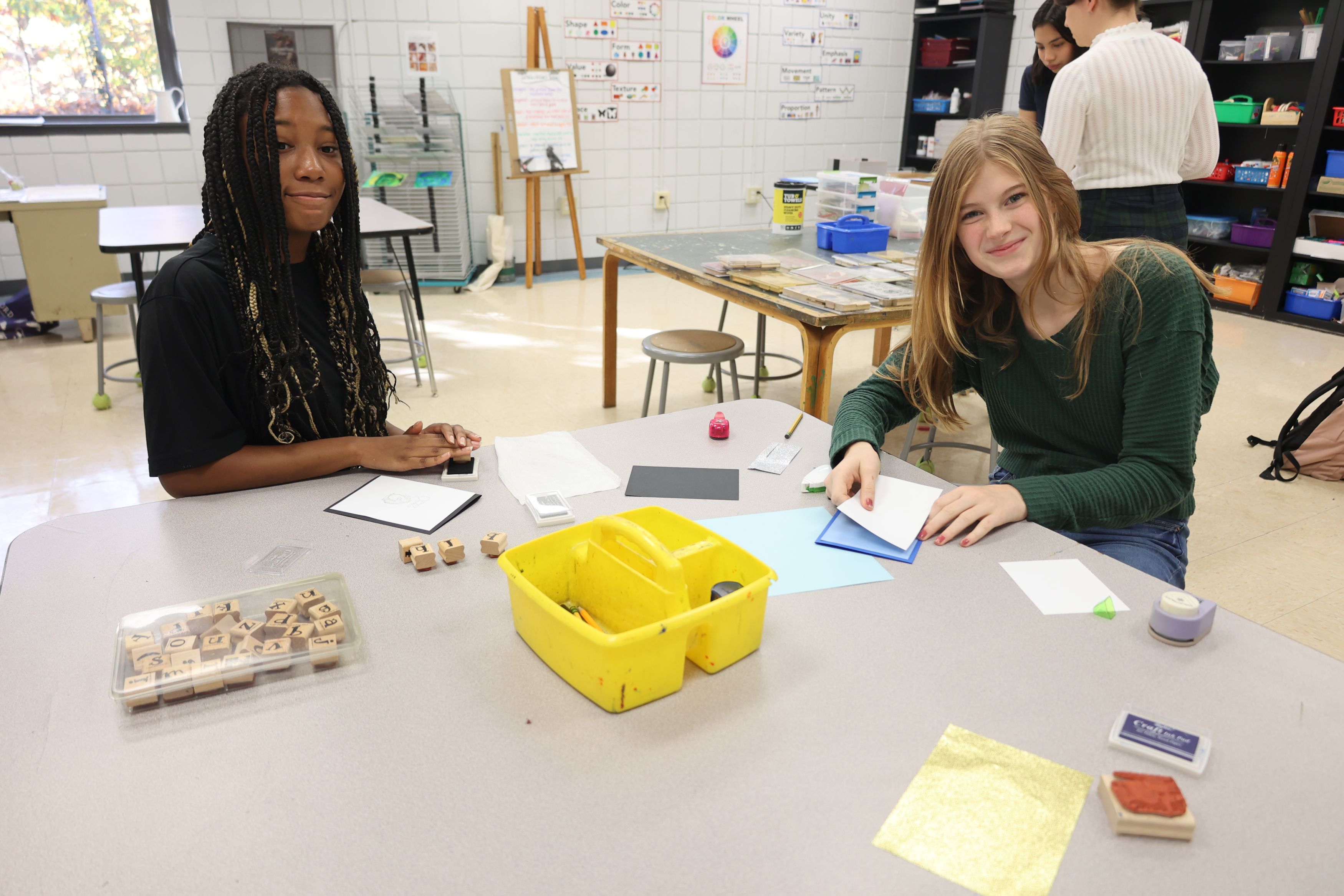
Fast-forward from last fall to today. CHS is wrapping up our first year of Mods, during which students were able to select monthly activities that took them out of the classroom and got them involved and engaged in other activities. Among lots of other things, students played futsal, learned about different cultures through food, took instrumental lessons, baked new and delicious recipes, participated in bible studies, or learned wilderness survival skills (and you can survive anything as long as you have access to a propane griddle, indoor plumbing, paper towels, and Dorito’s).
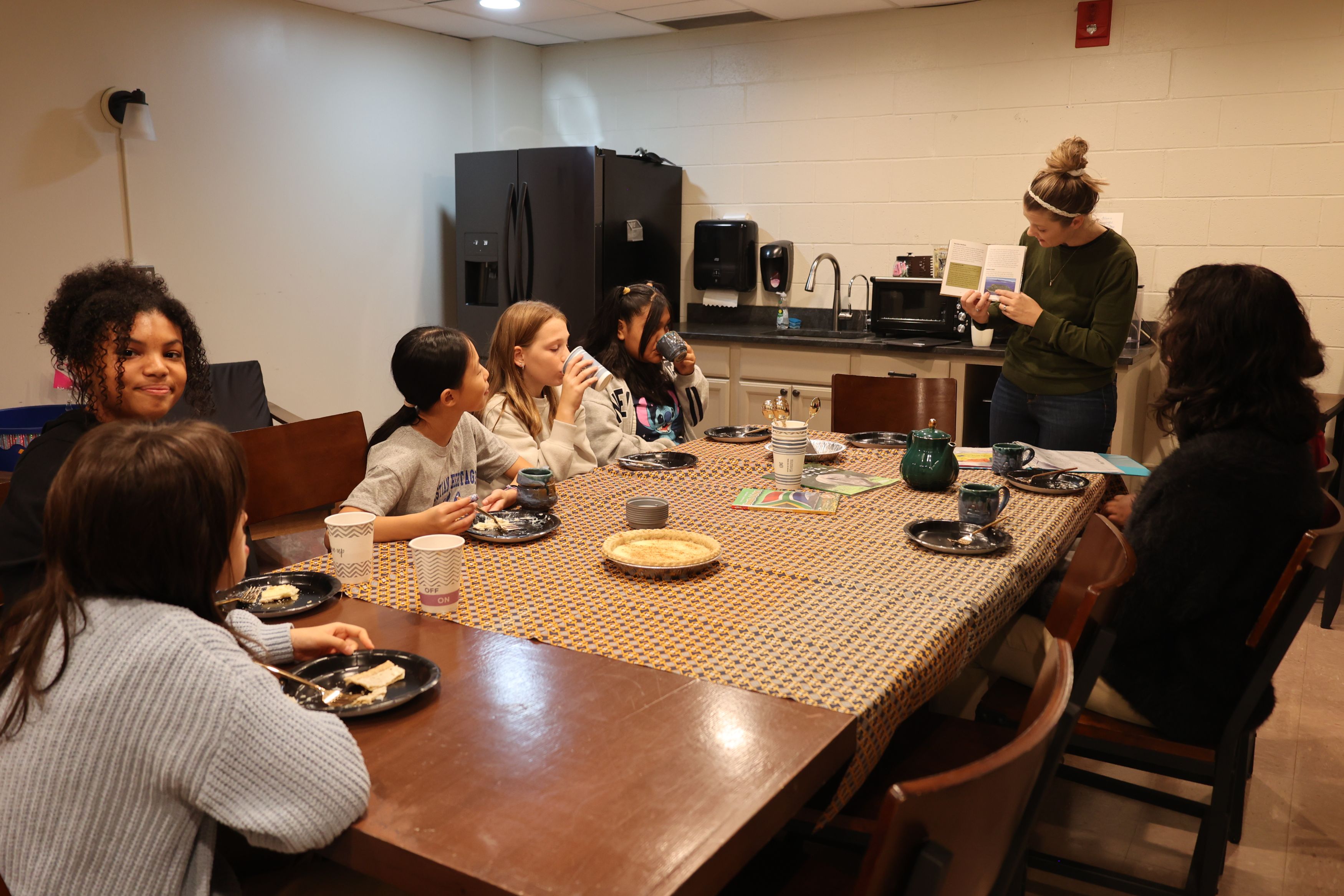
Mods gave our students opportunities for choice, agency, socialization, learning something new, and fun! I could bore you with education studies and doctoral thesis, but cutting to the chase, all of those things listed above are in the secret sauce for a good and meaningful educational experience.
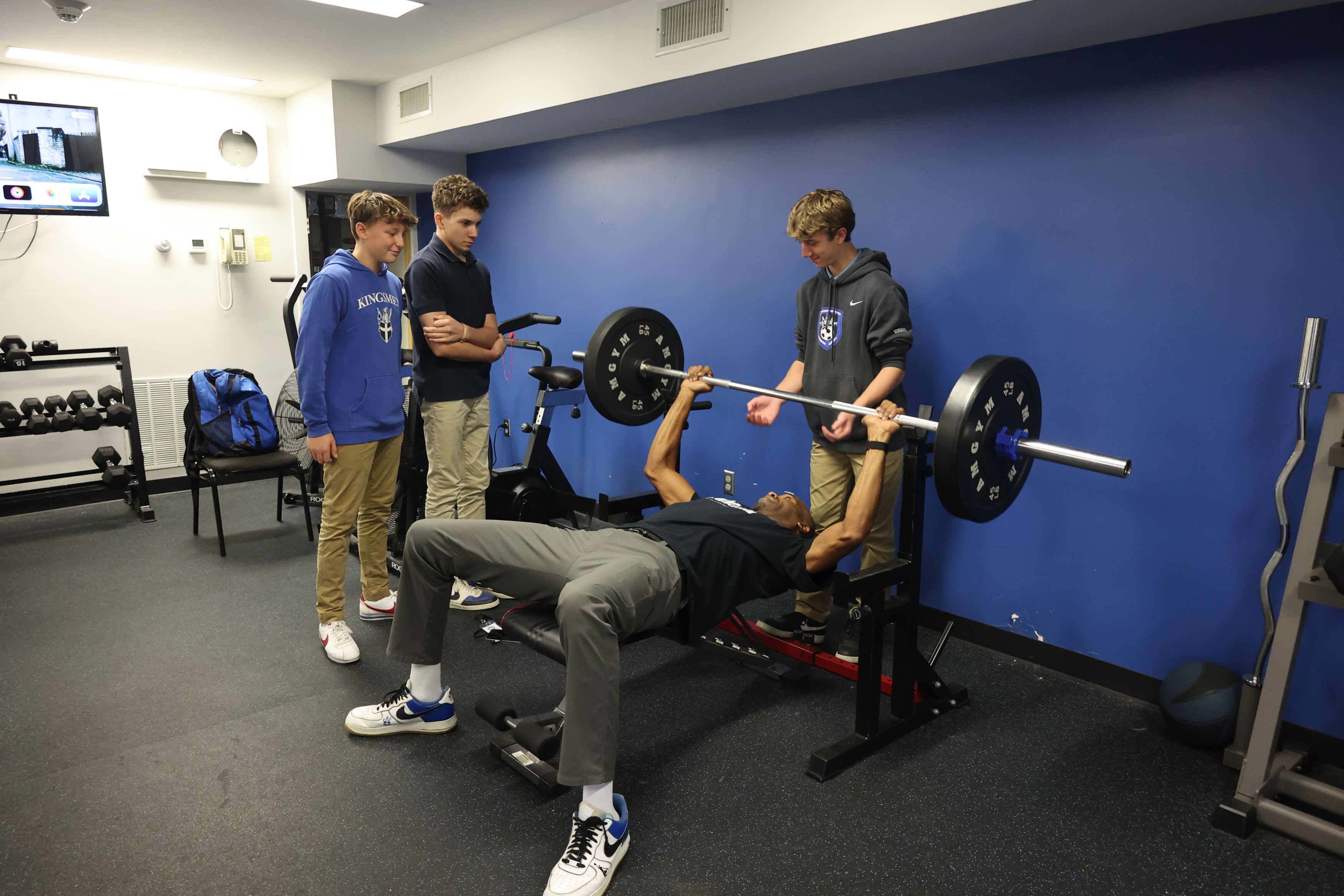
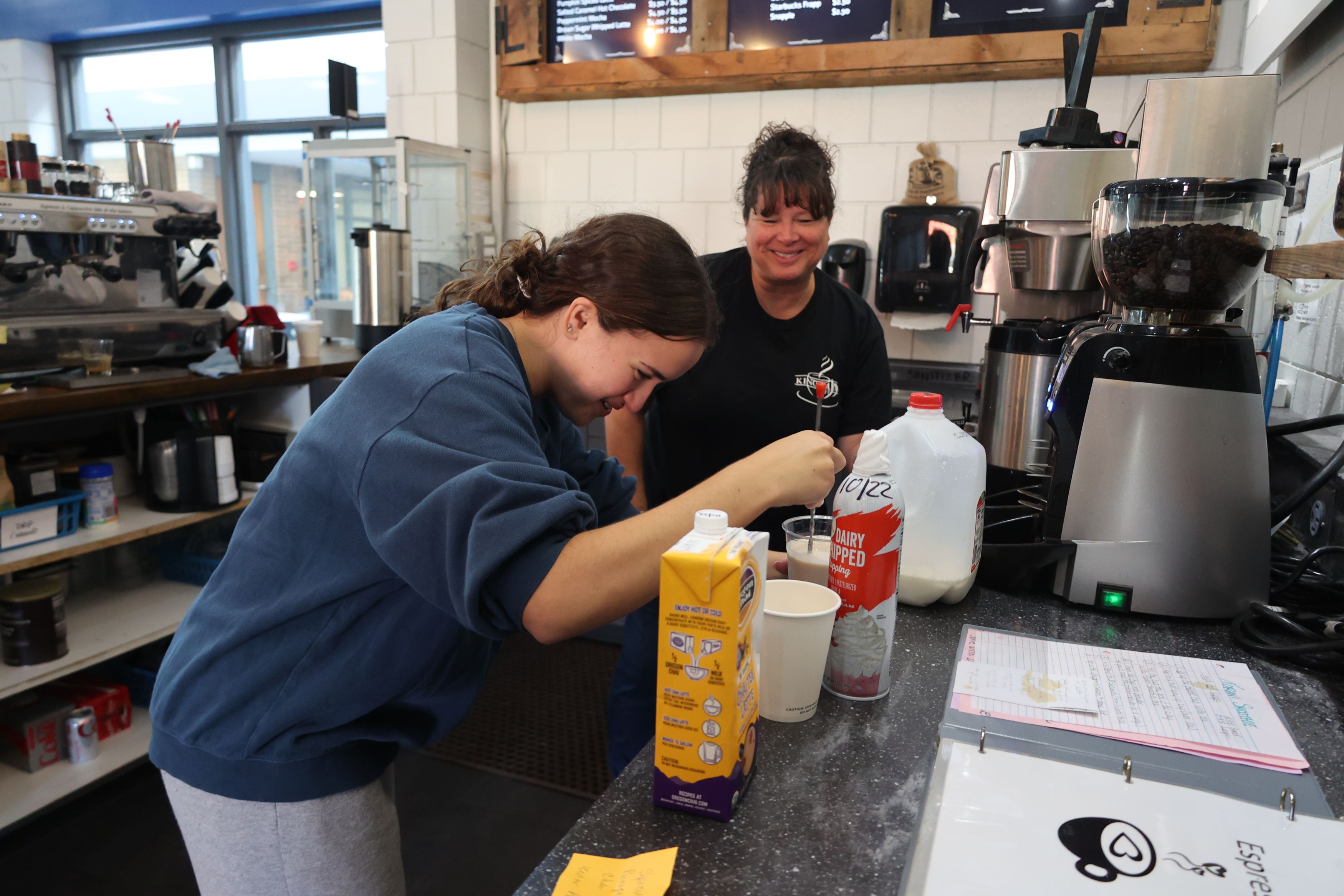
We are so pleased with the little ways that our kids have embraced these new opportunities this year, and look forward to continuing and expanding on this program in years to come!
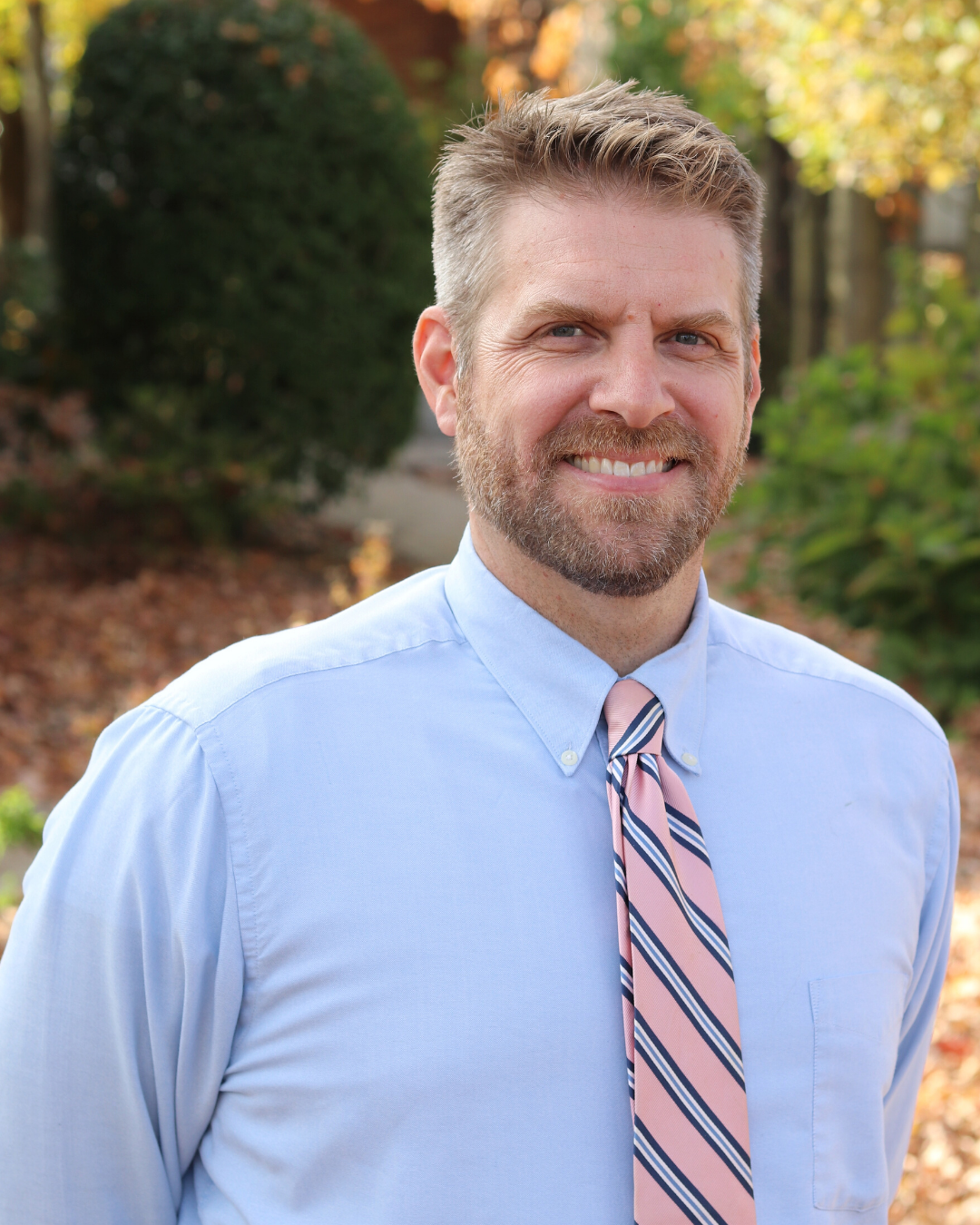
Mr. Karl Simon is beginning his 23nd year in Christian Educational Administration and his fourth year at CHS. He enjoys reading, woodworking, watching the Patriots and Red Sox, and arguing with students who think the Yankees are better. He also coaches at CHS, where he enjoys spending time with kids outside the classroom on windy sidelines and on long car rides to away games. Mr. Simon feels serving as principal of the CHS Upper School is a great privilege, and he enjoys his relationships with his colleagues, students, and families.