

Formation, Vocation, and the Stewardship of Influence
March 16, 2026
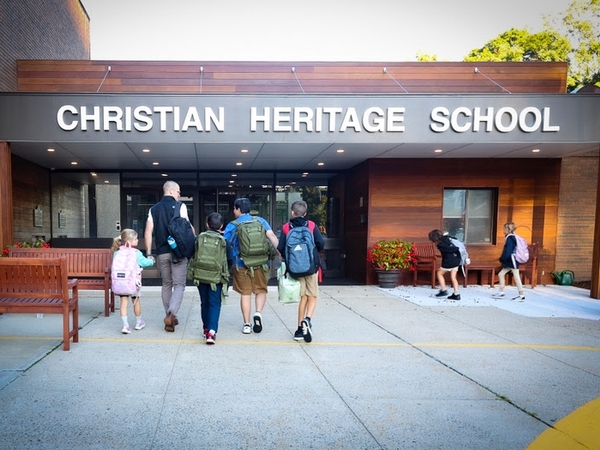
As parents of students at Christian Heritage School, Mark and I often speak of how grateful we are for CHS educators. My hope is that these words convey that appreciation as well as underscore the overarching dignity and worth of their wonderful work. In doing so, this is framed around a theological arc: creation, calling, and formation.
In Genesis 1, before there is sin, before there is evangelism, before there is even the church, there is a commission. God creates humanity in His image and then says: “Be fruitful and multiply and fill the earth and subdue it, and have dominion…” This cultural mandate tells us something foundational: human beings are created not only for worship in the narrow sense, but for stewardship. For cultivation. For ordering the world under God’s authority.
The exercise of dominion — rightly understood — is not exploitation. It is responsible, accountable stewardship under the rule of God. Vocation is not a secondary Christian idea. It is woven into creation itself.
Evangelism and the Whole of Life
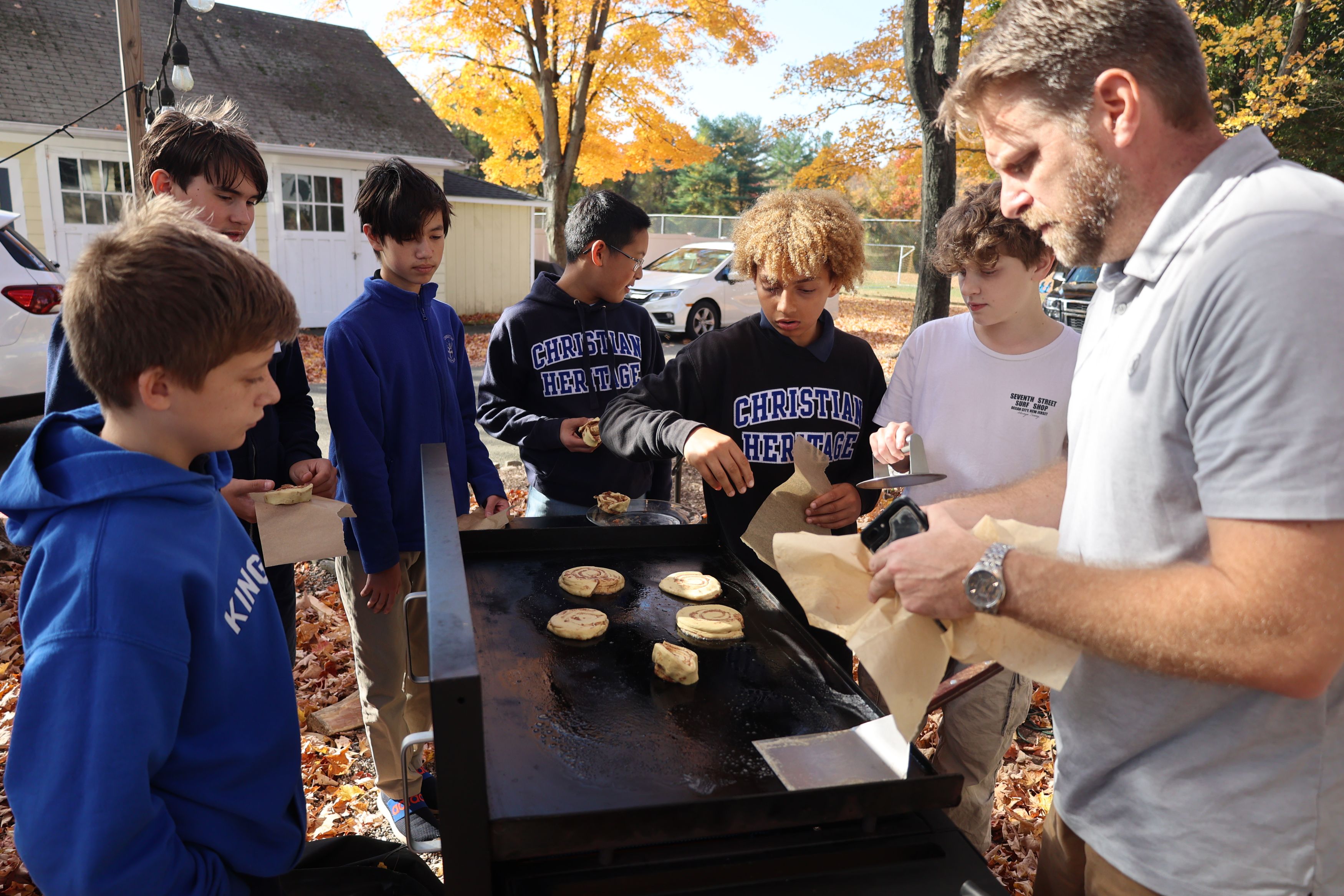
As Christians, there is a rightful care about evangelism. The Great Commission commands us to make disciples. But Scripture presents a broader vision of discipleship than personal piety alone. Colossians 1 reminds us that Christ is Lord over all things — visible and invisible, thrones and dominions, rulers and authorities. In Him all things hold together. If that is true, then Christian obedience cannot be confined to the private sphere.
- It must extend to law and policy
- Technology and medicine
- Journalism and media
- Universities and courts
- Research labs and foundations
- Business and public life
Christ’s lordship extends wherever authority is exercised. Which means the question is not whether Christians should engage institutions. The question is what vision of truth and goodness will shape them.
Education as Formation for Public Faithfulness
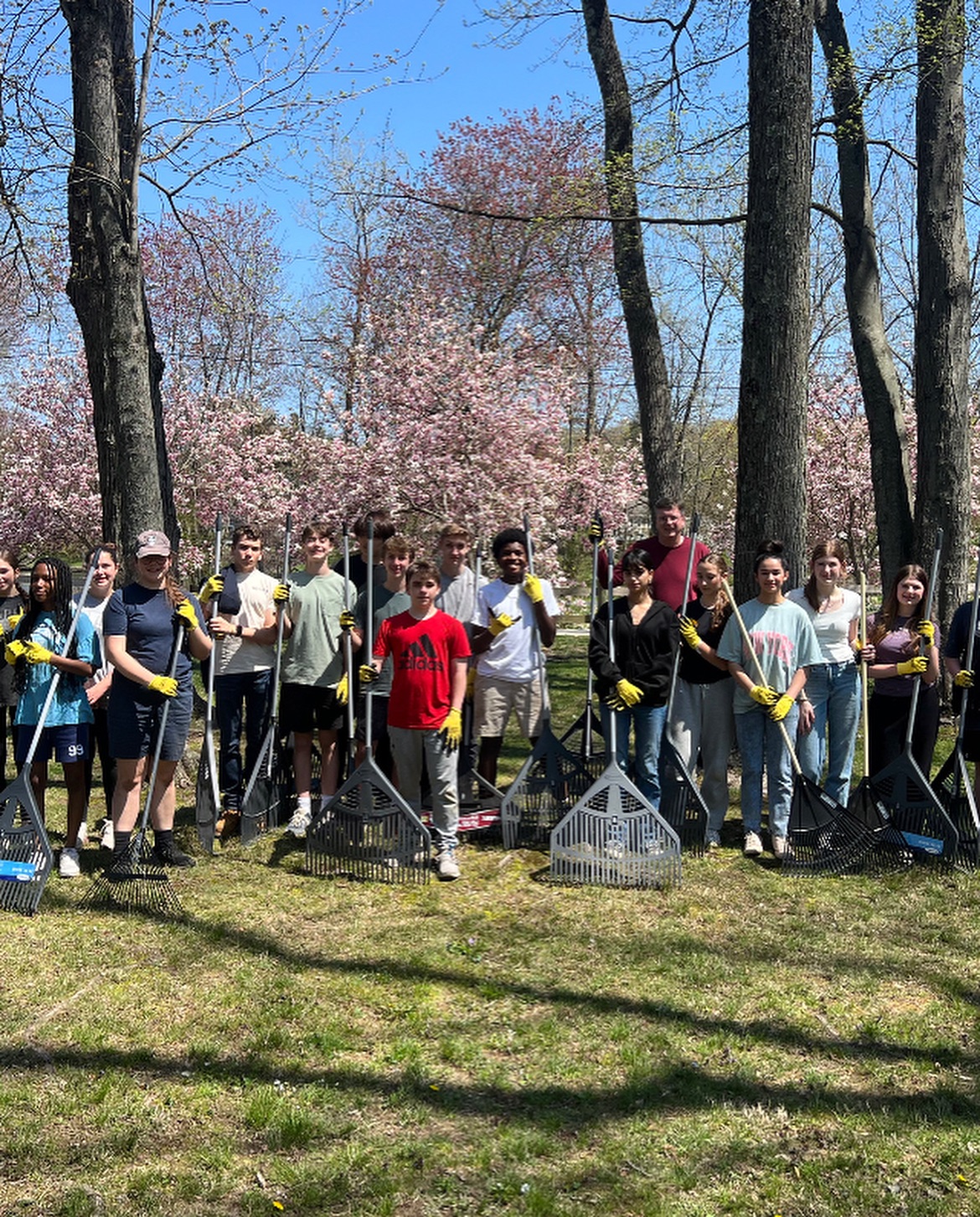
This is where Christian education becomes profoundly significant. CHS educators are not simply preparing children to “be nice Christians.” They are forming image-bearers who will one day occupy positions of influence — perhaps significant influence.
- Some of their students may reform public policy
- Some may invent technologies that shape how millions live
- Some may lead universities or steward major institutions
- Some may serve in courts, on boards, in research teams, in media organizations
- Some may quietly lead in local communities in ways that matter deeply
Where will they learn that power is stewardship? That intellect is responsibility? That leadership is accountable to Christ? Formation happens long before influence arrives.
- Habits of truthfulness
- Intellectual rigor
- Humility in disagreement
- Courage to speak clearly
- Patience with complexity
- Submission to Scripture
These are not incidental virtues. They are preconditions for faithful leadership. And those habits are being cultivated here.
A Theology of Institutions
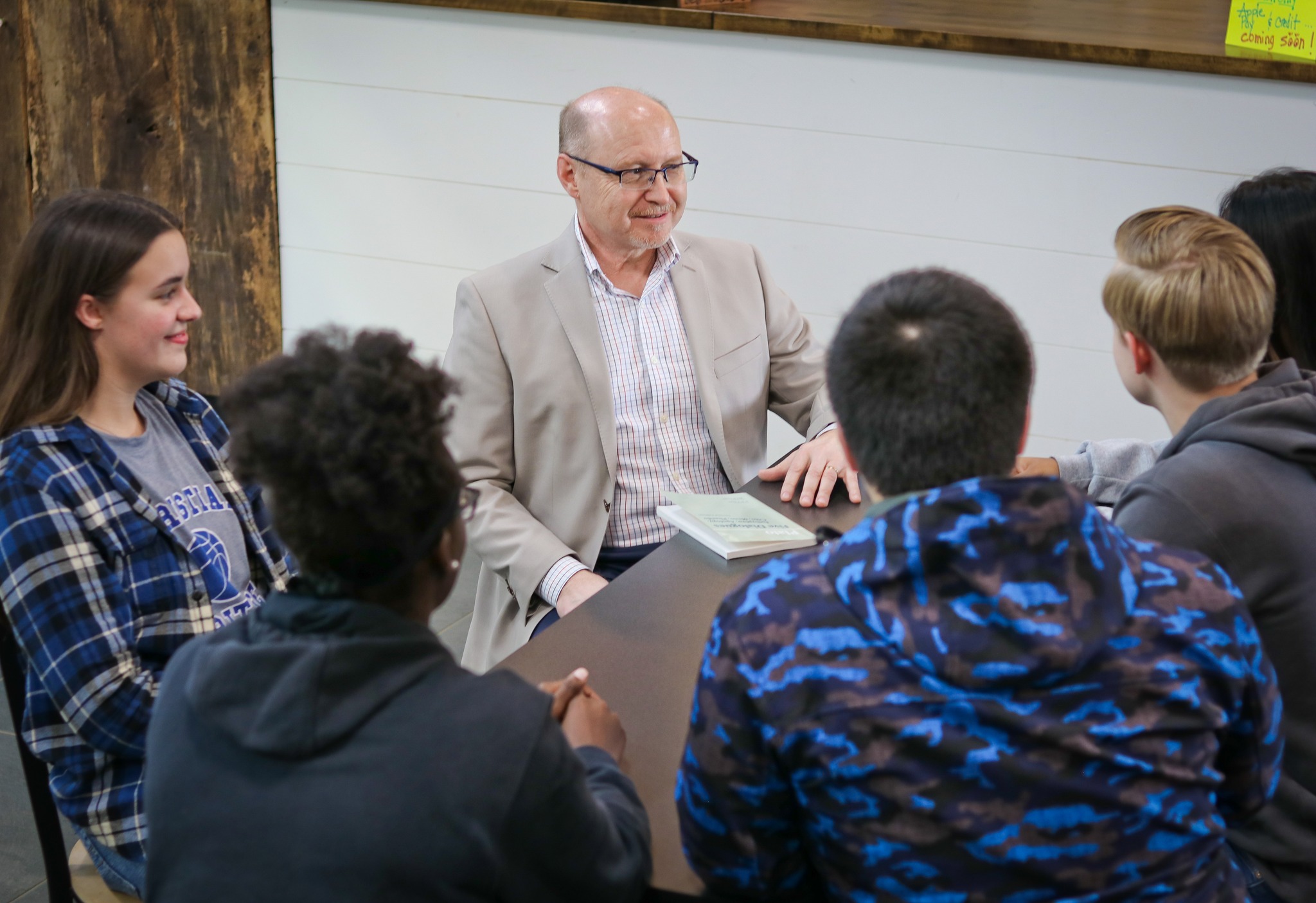
Sometimes there is language as if institutions are spiritually neutral or even suspect. But biblically speaking, institutions are simply organized forms of human cooperation under authority.
- Families are institutions
- Churches are institutions
- Governments are institutions
- Schools are institutions
The question is never whether institutions will shape the world — they always do. The question is whether they will be shaped by a Christian vision of truth and goodness. The work at CHS is institutional formation. It is countercultural. And it is deeply necessary.
The Dignity of Your Work
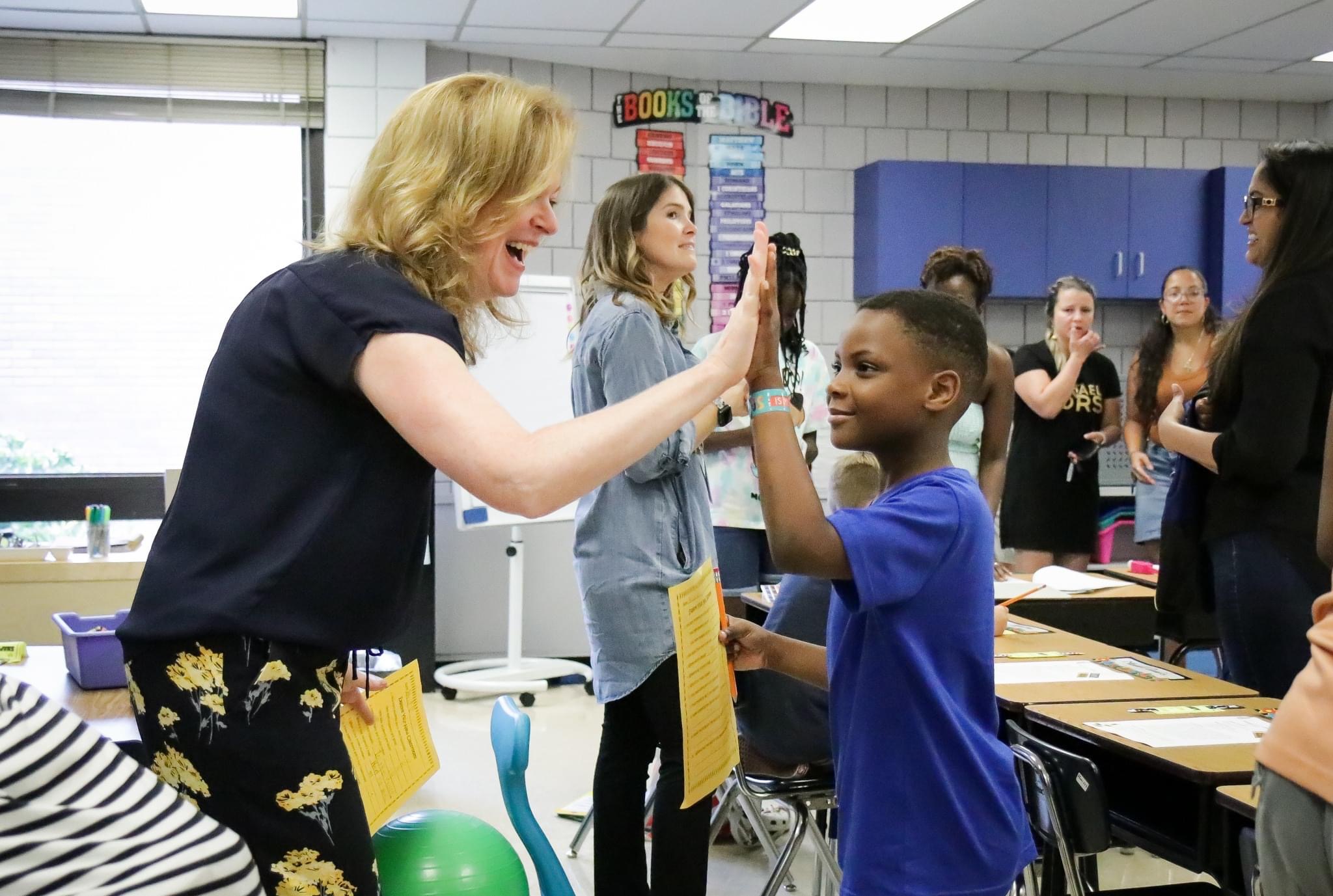
From the board’s vantage point, there is visibility into strategy, budget, property acquisitions, capital campaigns, and enrollment patterns. But none of that carries weight apart from the daily, disciplined faithfulness CHS educators bring. They are shaping how students think about reality, how they understand authority, and how they will exercise responsibility.
They are teaching that excellence and holiness are not adversaries, that ambition can be ordered toward service; and that influence is not self-creation, but stewardship under God. In a fragmented cultural moment, that is not small work. It is institution-shaping work before institutions ever come into their hands.
As a board member, there is deep appreciation for gaining even greater insight into all that they are doing, all that they are doing to the glory of God.
- Curriculum mapping
- Gingerbread house making
- Endless report card writing
- Pirate week
- Difficult parent meetings
- Encouraging pre-teen personal hygiene
- Juggling space usage
All of it is faithfully gathered up into the glory of God.
A Charge and Encouragement
CHS educators are the animating heart of this school. They are doing good and faithful work. I see that in the delight my kids come bubbling home with, in the fruits of the Spirit that they model for them that they then emulate, in them wanting to study well to bring joy, in the building of the body of Christ across churches in our corner of Connecticut.
They are doing more than transmitting knowledge. They are participating in a tradition that stretches back centuries, the long Christian task of forming men and women who can exercise responsibility under the lordship of Christ.
May Psalm 90:17 be true among us:
“And let the beauty of the Lord our God be upon us,
And establish the work of our hands for us
Yes, establish the work of our hands.”
Lord, may You use this institution — and the faithful labor of all CHS educators within it — to raise up leaders at all levels who wield influence not for self, but for Your glory and the good of the world You created. Amen.
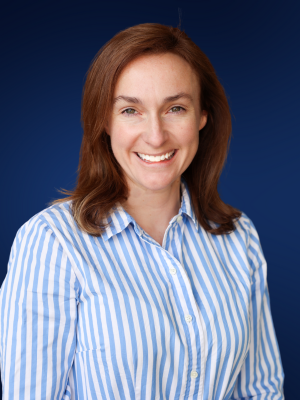
Kristie Watkins, Board of Trustees member, holds a bachelor's in Biology and German from Wake Forest University and a doctorate in Infectious Disease Epidemiology from Imperial College London. She worked in international development, providing research and technical assistance to help countries in sub-Saharan Africa improve health, nutrition, and education outcomes for school-age children. Alongside colleagues from the World Bank, the Gates Foundation, UN agencies, and NGOs, she supported government ministries in policy and programming for national deworming, water and sanitation, and school feeding programs. She and her husband, Mark, have been married for 12 years and have four children, three of whom are in the Lower School at CHS and one is in preschool. The Watkins are members of Calvary Evangelical Free Church in Trumbull.